


Childhood food insecurity is a serious and growing problem in many parts of the world. According to the World Health Organization (WHO), around 690 million people suffer from hunger globally, and more than half of these are children. This means that millions of children around the world are not getting the nutrition they need to grow and thrive, which can have a significant impact on their health and future.
Food insecurity is defined as the lack of access to sufficient, safe, and nutritious food for an active and healthy life. When children do not have access to enough healthy food, they may experience a range of health problems, including malnutrition, stunted growth, weakened immune systems, and developmental delays. These health problems can have long-lasting effects on a child’s physical and mental well-being, as well as their ability to learn and succeed in life.
Childhood food insecurity can be caused by a range of factors, including poverty, unemployment, and low wages. In many cases, families simply cannot afford to buy enough healthy food to meet their basic needs. Other factors that can contribute to childhood food insecurity include food deserts, where healthy food options are scarce or too expensive, and lack of access to community resources like food banks and meal programs.
Approximately 622,350 children in Georgia struggle with hunger or do not have consistent access to enough healthy food to support their growth and development
Feeding America’s 2021 “Map the Meal Gap” report
Fortunately, there are many organizations and initiatives working to address childhood food insecurity. Local food banks, community meal programs, and school meal programs can all help provide healthy food options to families in need. Public policy solutions, such as increasing access to healthy food options in food deserts and increasing funding for nutrition programs, can also make a significant difference.
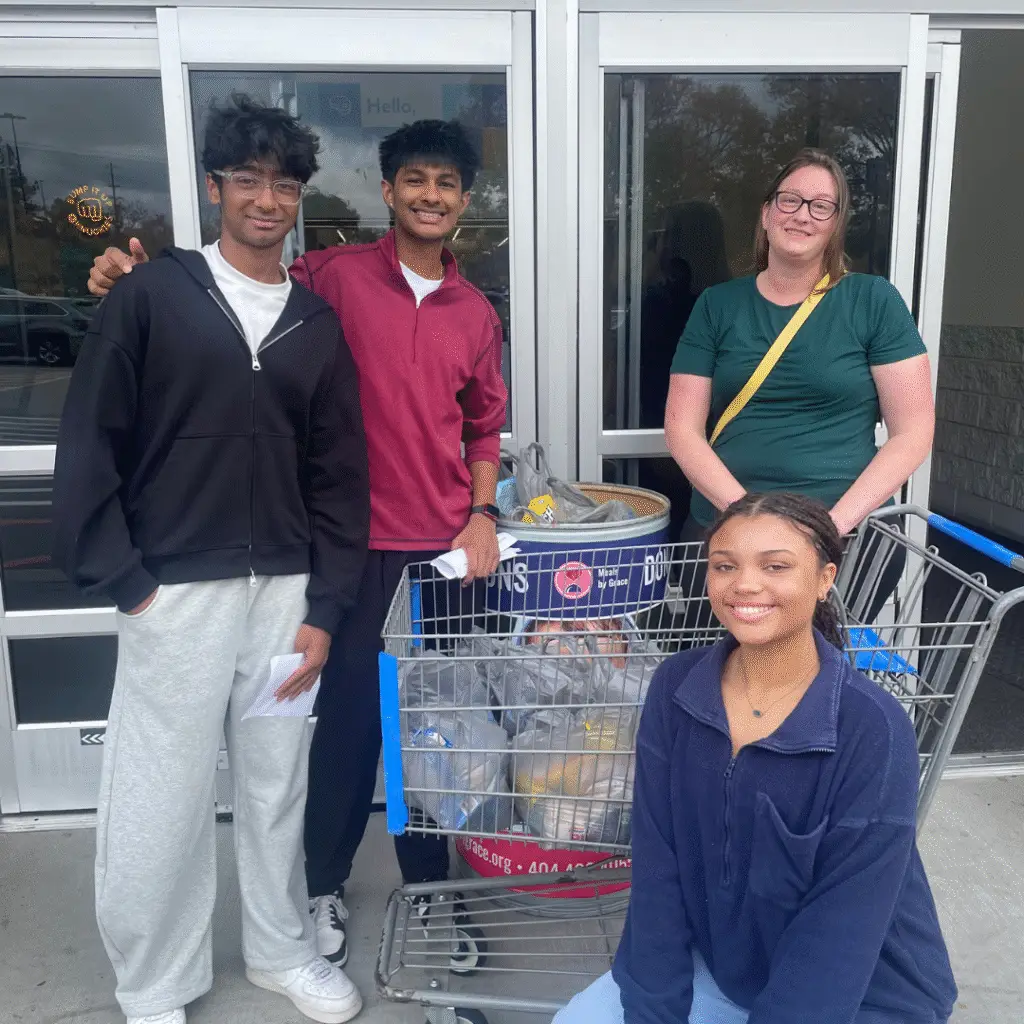
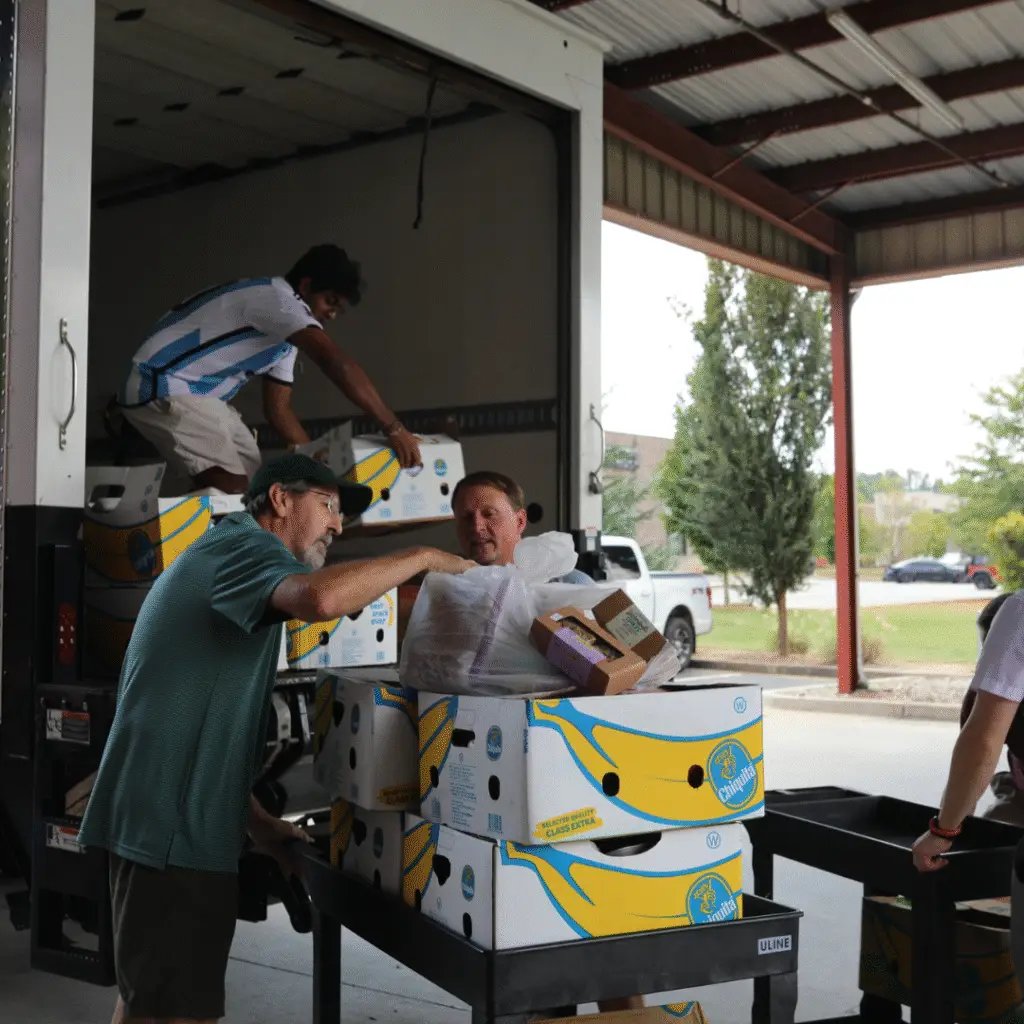
As individuals, there are also things we can do to help address childhood food insecurity. Donating/volunteering with community service organizations like Meals by Grace or advocating for policies that address food insecurity can all make a difference.

In conclusion, childhood food insecurity is a serious problem that threatens the health and future of millions of children around the world. By working together and taking action, we can help ensure that all children have access to the healthy food they need to thrive and succeed. Let us all do our part to fight childhood hunger and ensure a brighter future for our children.