
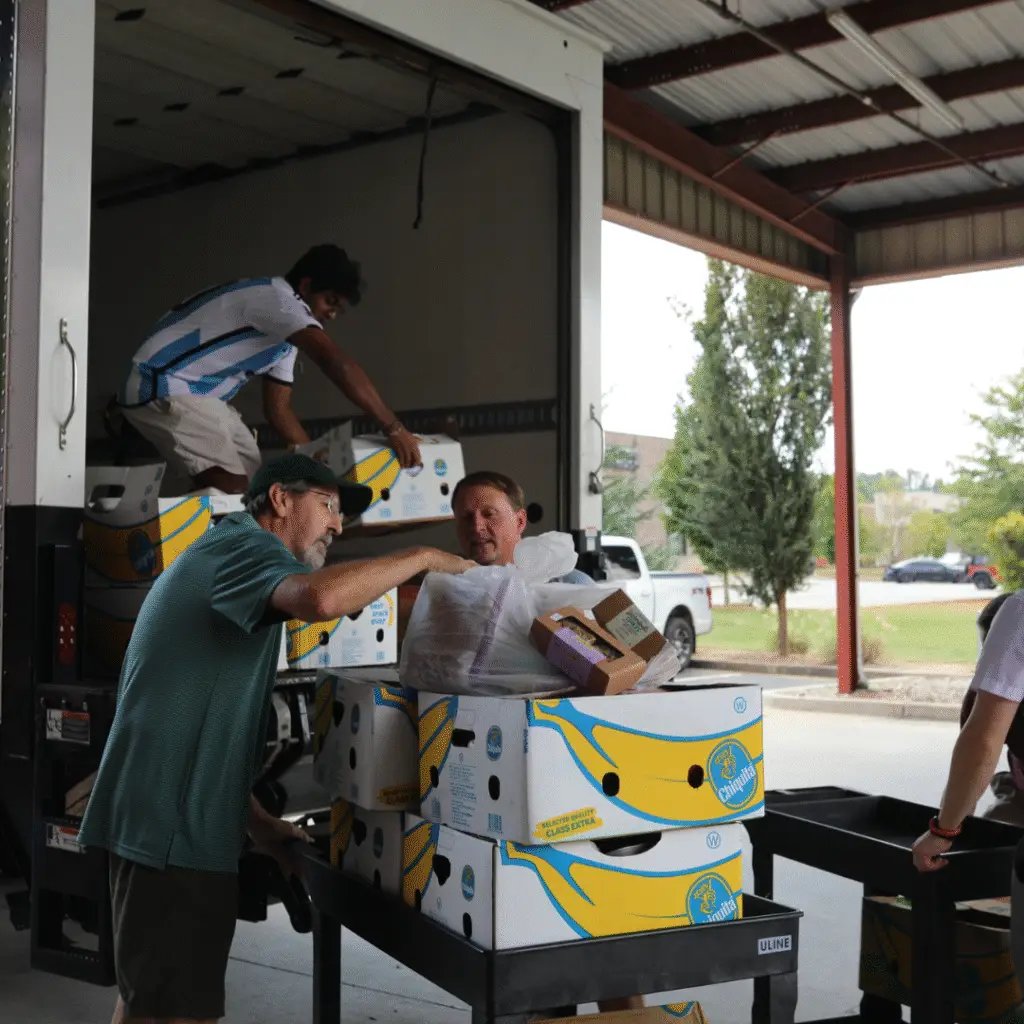
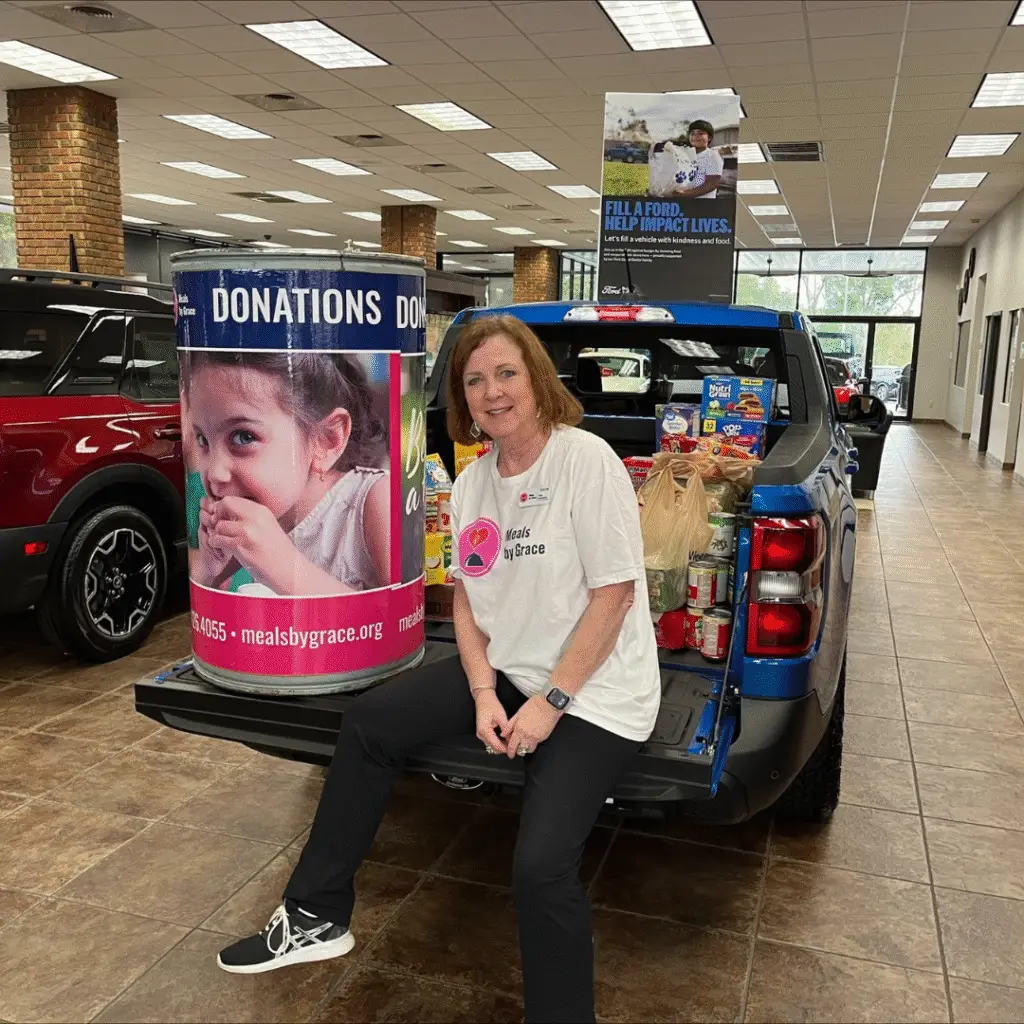
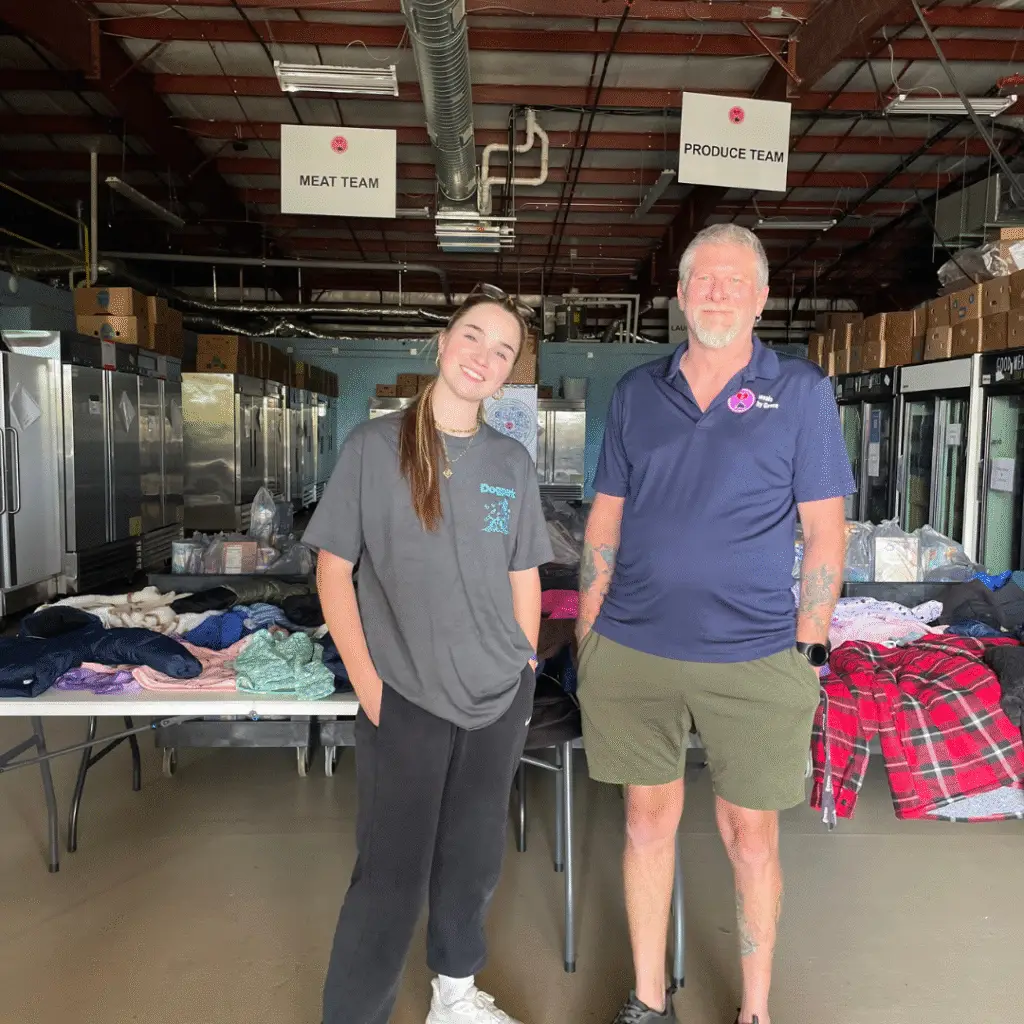
Most of us don’t expect to be one crisis away from not knowing where our next meal will come from. But that’s exactly the reality for far too many of our neighbors in Georgia—and the numbers are growing fast.
The Atlanta Community Food Bank reports a 60% increase in monthly meal demand over the last three years. That’s not a slight uptick. It’s a clear signal: more families are slipping through the cracks, and the safety nets that once held them are wearing thin.
Children and Seniors Are Facing the Greatest Risks
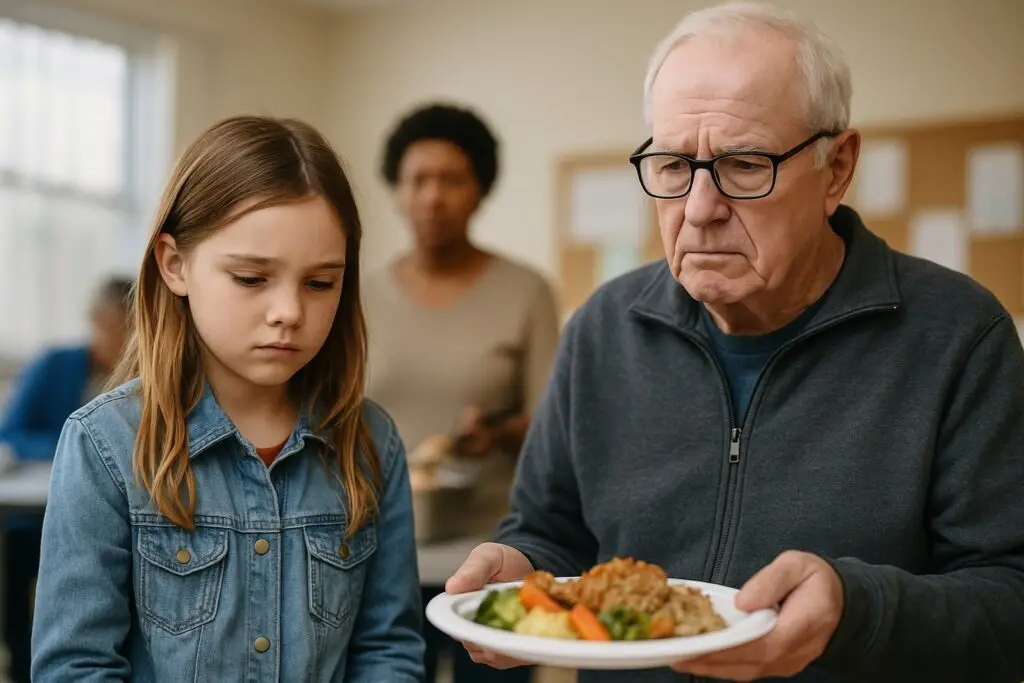
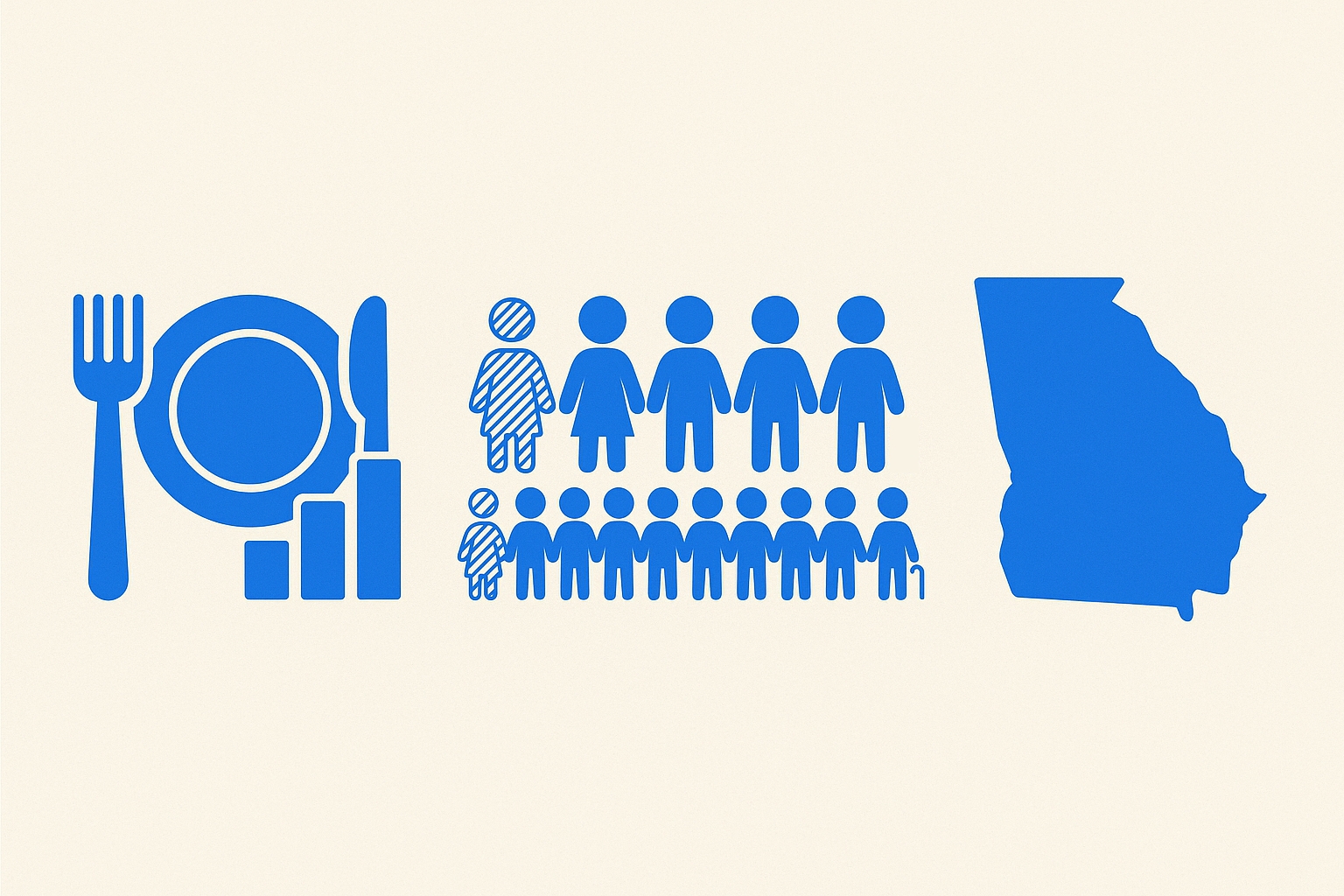
According to Feeding America, 1 in 5 children and 1 in 10 seniors in Georgia are facing hunger. These are our most vulnerable populations. Kids who are hungry struggle to focus in school. Seniors who go without meals are more likely to face serious health complications. And families trying to care for both can’t afford to fall behind.
This isn’t just about a missed dinner here or there. It’s about chronic food insecurity that slowly chips away at a person’s dignity, energy, and hope.
Why So Many Aren’t Getting Help
You might assume government assistance programs are catching most people in need. But here’s the hard truth: over 57% of Georgians struggling with food insecurity don’t qualify for federal programs like SNAP.
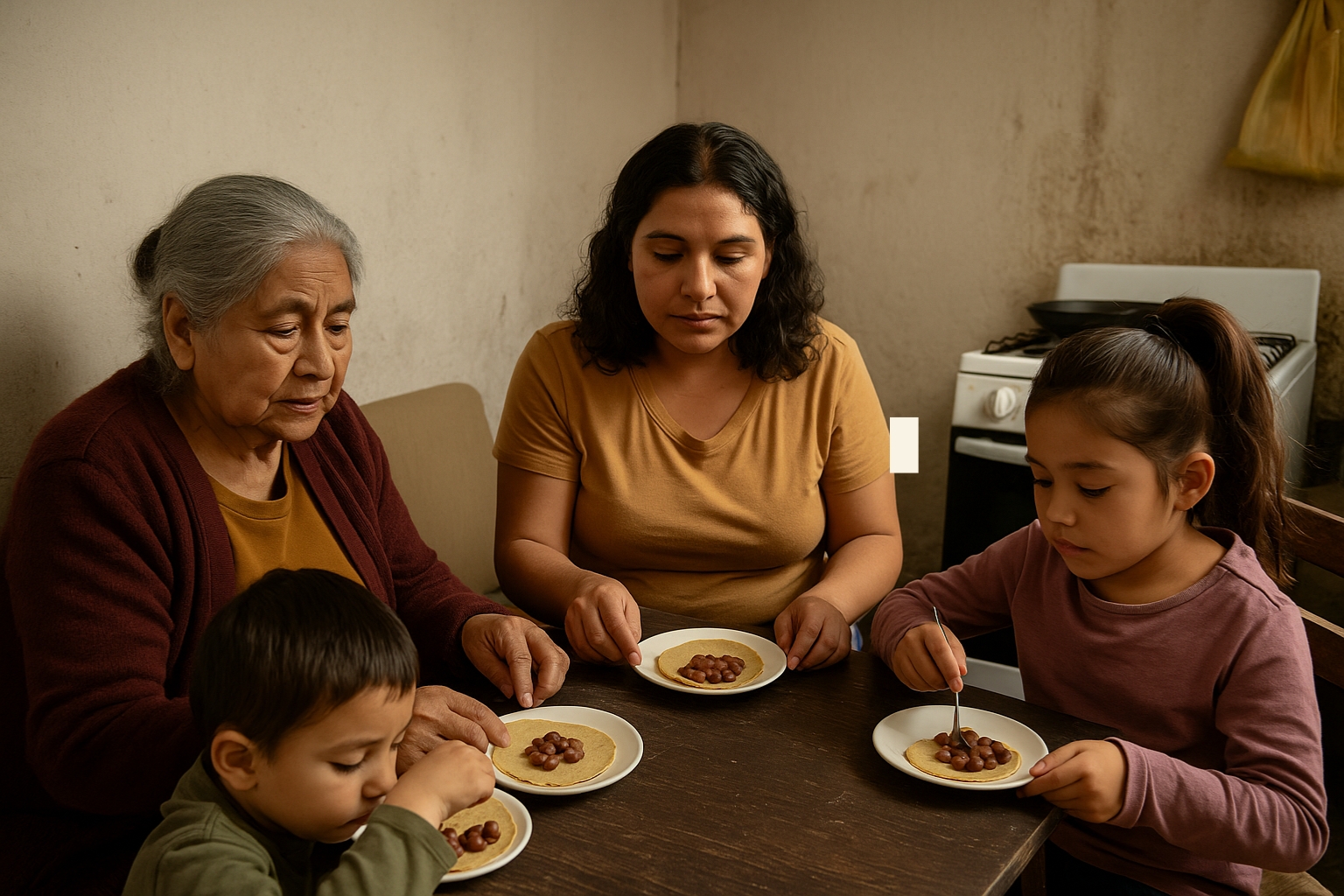
These are the families who earn just enough to be disqualified—but not enough to actually make ends meet. Often called the “working poor,” they’re doing their best. They’re teachers. First responders. Single parents. Grandparents raising grandchildren. And they’re forced to make impossible choices: groceries or gas, medicine or rent.
At Ministries of Grace, we call these families GAP families—people stuck in that wide gap between survival and support. It’s where we step in.
What We’re Doing About It
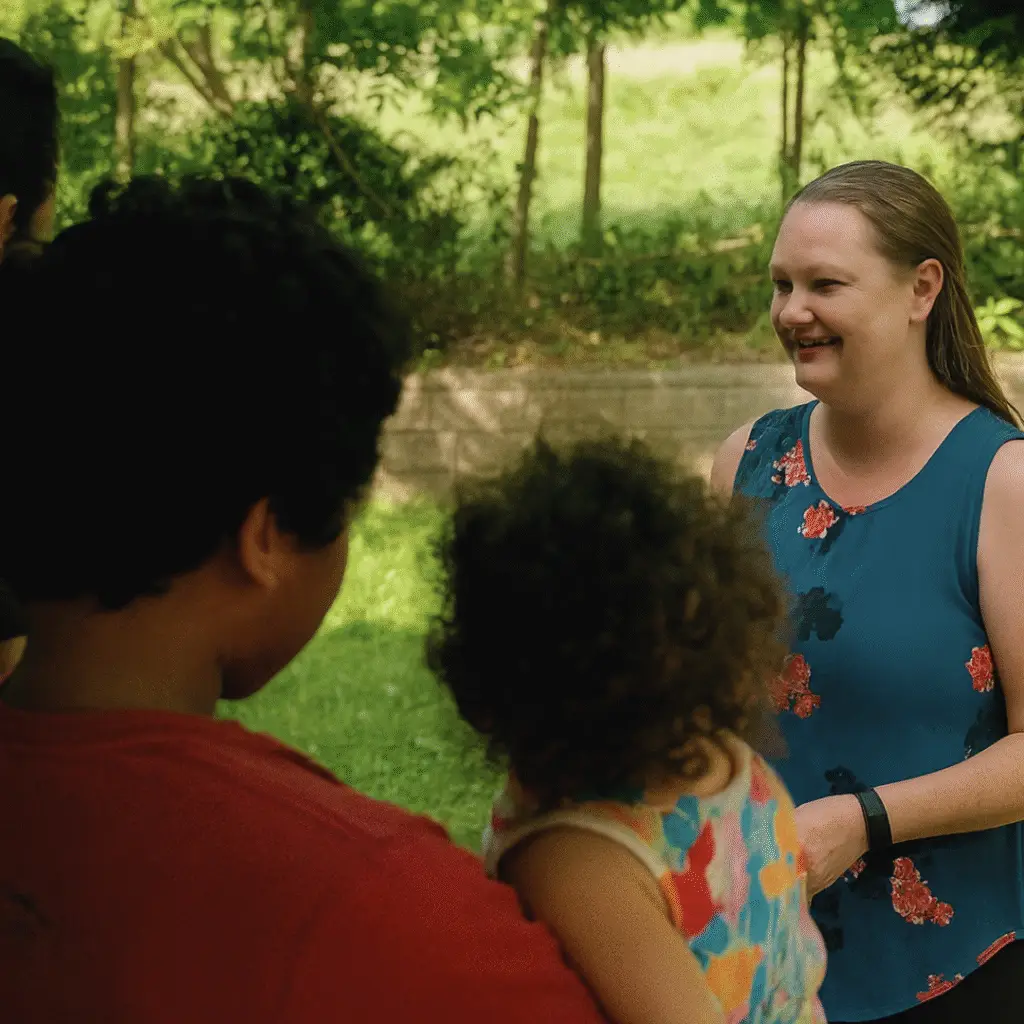
When a family is referred to us, we don’t just hand over a bag of food and send them on their way. We start with a personal conversation. We ask about their story, their goals, and what’s been standing in the way.
Then we build a customized care plan—a roadmap to help them become self-sufficient.
That plan might include:
- Weekly or biweekly food deliveries
- Job training and certification programs
- Mental health support
- Help accessing affordable childcare or healthcare
- Financial literacy coaching
- Transportation resources
We walk alongside families—because no one should have to navigate poverty alone.
You Can Help Close the Gap
If this breaks your heart the way it breaks ours, we invite you to step into the story. Your gift helps fill the gaps that government aid and overburdened systems can’t reach.
We can’t stop the hunger crisis overnight, but together, we can show up for one family at a time—with food, dignity, and a path forward.
